Evidence is In. The Impact of Arts-Based Education on Social and Emotional Learning
Evidence is In. The Impact of Arts-Based Education on Social and Emotional Learning
A recently published research review, Research on Arts-Based Education, from Dr Rebecca Marrone and Dr Maria Vieira at the University of South Australia confirms that music and arts are not “extras”—they are essential for a child’s wellbeing and social development.
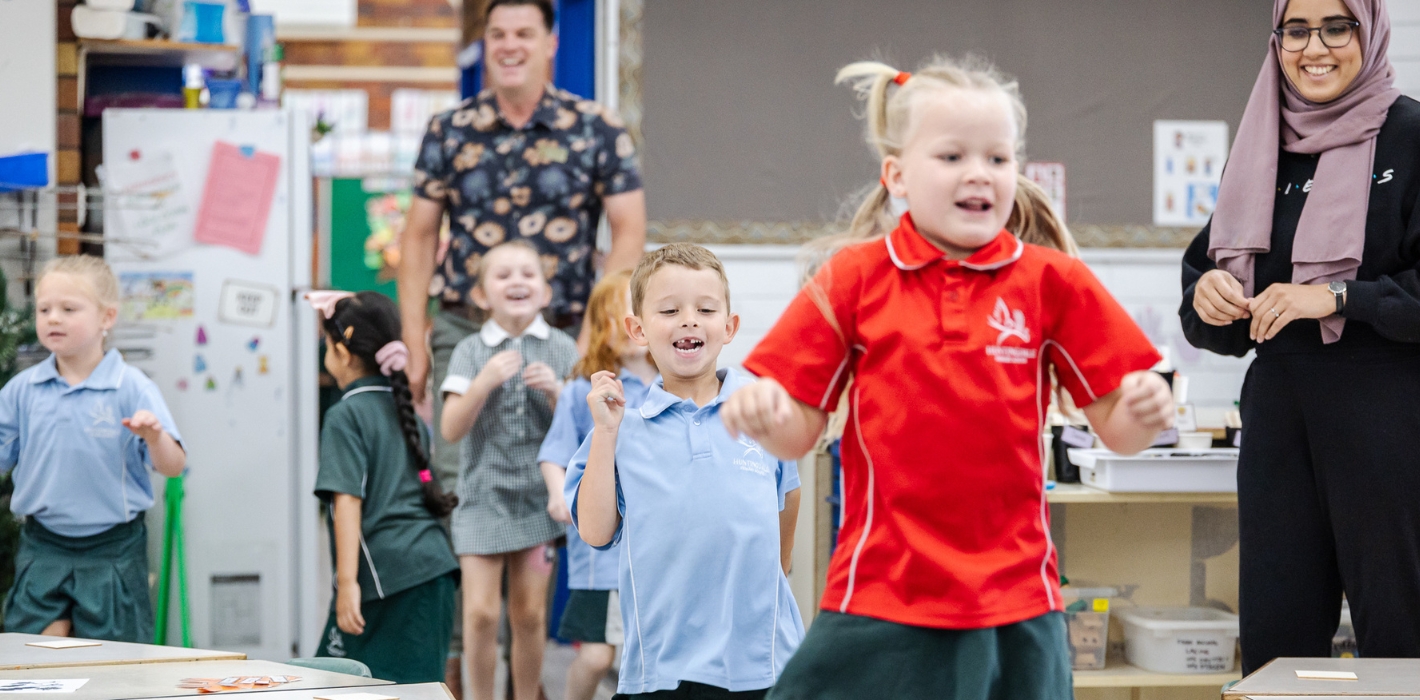
In the review for The Song Room, Dr Rebecca Marrone and Dr Maria Vieira examined global evidence in arts education to identify the key elements needed to positively impact students’ Social and Emotional Learning (SEL) and wellbeing through the arts.
“Research consistently demonstrates that arts education is a powerful vehicle for building social and emotional learning” Dr Rebecca Marrone and Dr Maria Vieira at the University of South Australia.
The findings are clear: when arts programs are well-designed and inclusive, they help children manage their emotions, build empathy, and feel a stronger sense of belonging at school.
However, they found not all arts initiatives yield equal impact. The difference often lies in deliberate design. This is where The Song Room’s programs shone. When reviewing The Song Room’s programs, the researchers gave top scores.
What the Experts Found
- “There is strong and growing evidence that arts and music education initiatives can generate positive effects on SEL and wellbeing.”
- “Arts education is a powerful vehicle for building social and emotional learning, especially when programs are structured, sustained, and integrated with intentional pedagogy.”
- The Song Room has high impact rating across three programs showing a strong alignment between the research and practice.
Summary of The Song Room programs:
- Kaleidoscope (5/5 Rating): The Song Room’s 10-week Arts and Wellbeing program received top marks. The researchers provided this top-tier score because the programme integrates teaching artists and therapists and “uses arts to address self-regulation and social-emotional reflection.”
- Early Years Program (5/5 Rating): The Song Room’s work with 3–7-year-olds was recognised for using play and storytelling to boost communication skills and confidence right from the start.
- DUET: Teacher Mentoring Program (4/5 Rating): The teacher mentorship model was highlighted for its ability to build long-term confidence in the classroom, ensuring music stays a part of the school’s DNA.
Why This Matters for the Future
The review shows that creative experiences build the “emotional infrastructure” young people need for life. By taking part in music, drama, and dance, students aren’t just learning a craft—they are learning how to participate fully in their community and navigate the challenges of growing up.
We are incredibly proud to see The Song Room’s programmes recognised as “gold standard” examples of how to bridge the gap between research and the classroom.
Packed with evidence to support arts learning in your classroom
The report includes a list of supporting research, general principles for incorporating SEL into the classroom and a detailed breakdown of three Song Room programs.
Access these references and read these insightful tips today in Research on Arts-Based Education.
Discover more independent research on The Song Room’s programs here.
For further information or to discuss getting a Song Room Program at your school contact: enquiries@songroom.org.au or go to Contact Us.
Related Content
-
29 September 2026
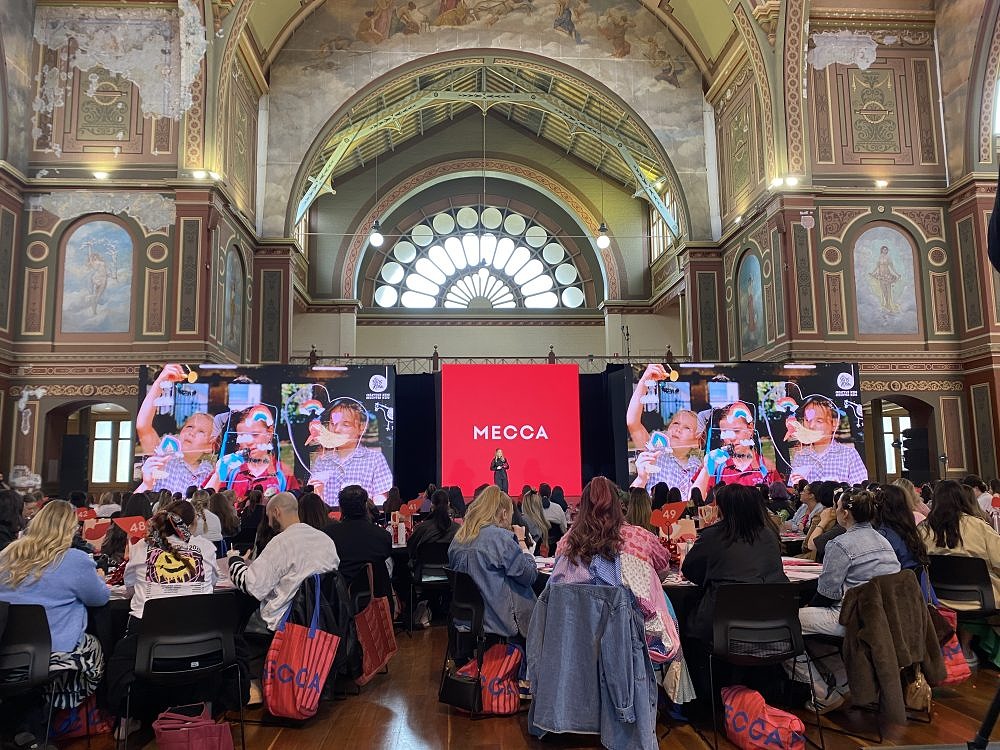
The Song Room x MECCA M-POWER Partnership Launch
-
9 July 2026
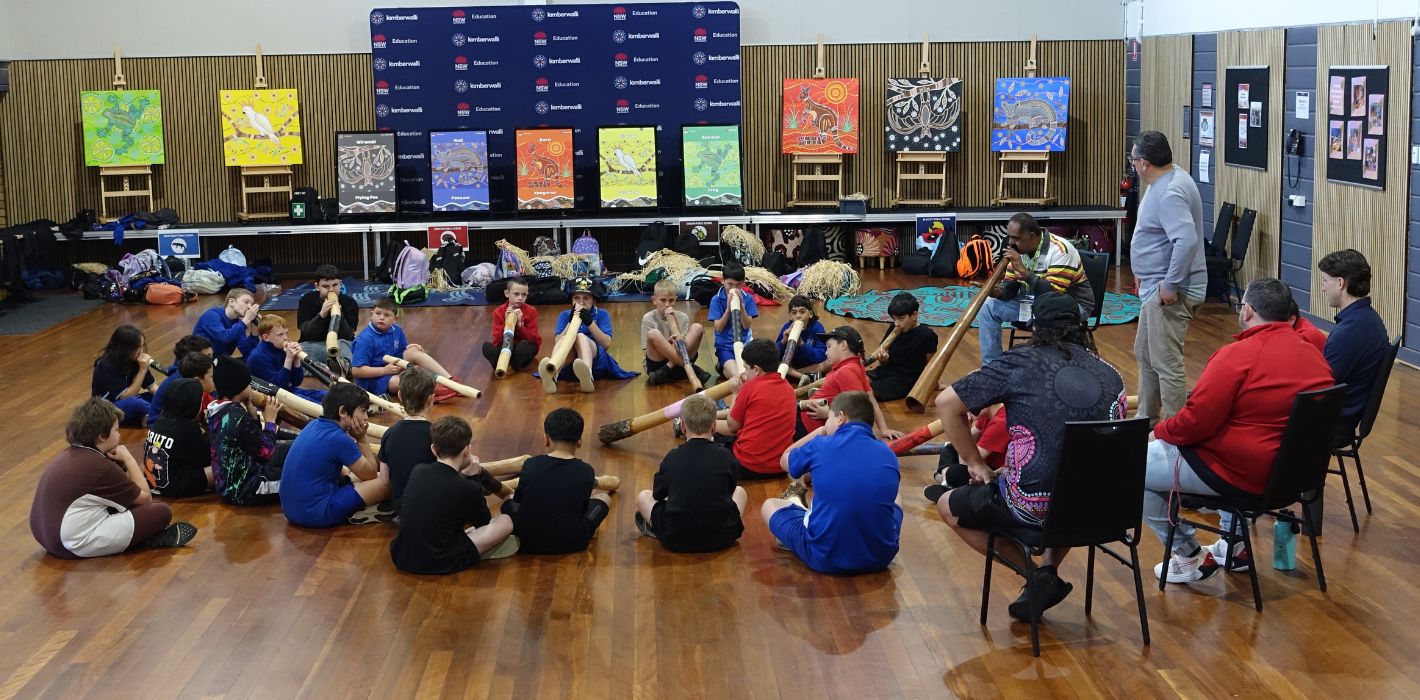
Guided By Elders – Deadly Culture Day