How Noongar Culture and the Arts Grow Children’s Wellbeing: New Study from Dr Jason Goopy and The Song Room.
How Noongar Culture and the Arts Grow Children’s Wellbeing: New Study from Dr Jason Goopy and The Song Room.
The Song Room has released a new case study examining how the Deadly Arts Early Years program supports wellbeing literacy in early childhood education through engagement with Noongar culture, arts and storytelling.
Authored by researchers from Edith Cowan University and the University of Melbourne — Dr Jason Goopy, Professor Narelle Lemon, Dr Megan McPherson, Dr Libby Jackson-Barrett and Jacqueline West — Noongar Culture, Arts Learning and Wellbeing Literacy in Early Childhood Education offers powerful insights into how culture, story and creativity help children flourish.
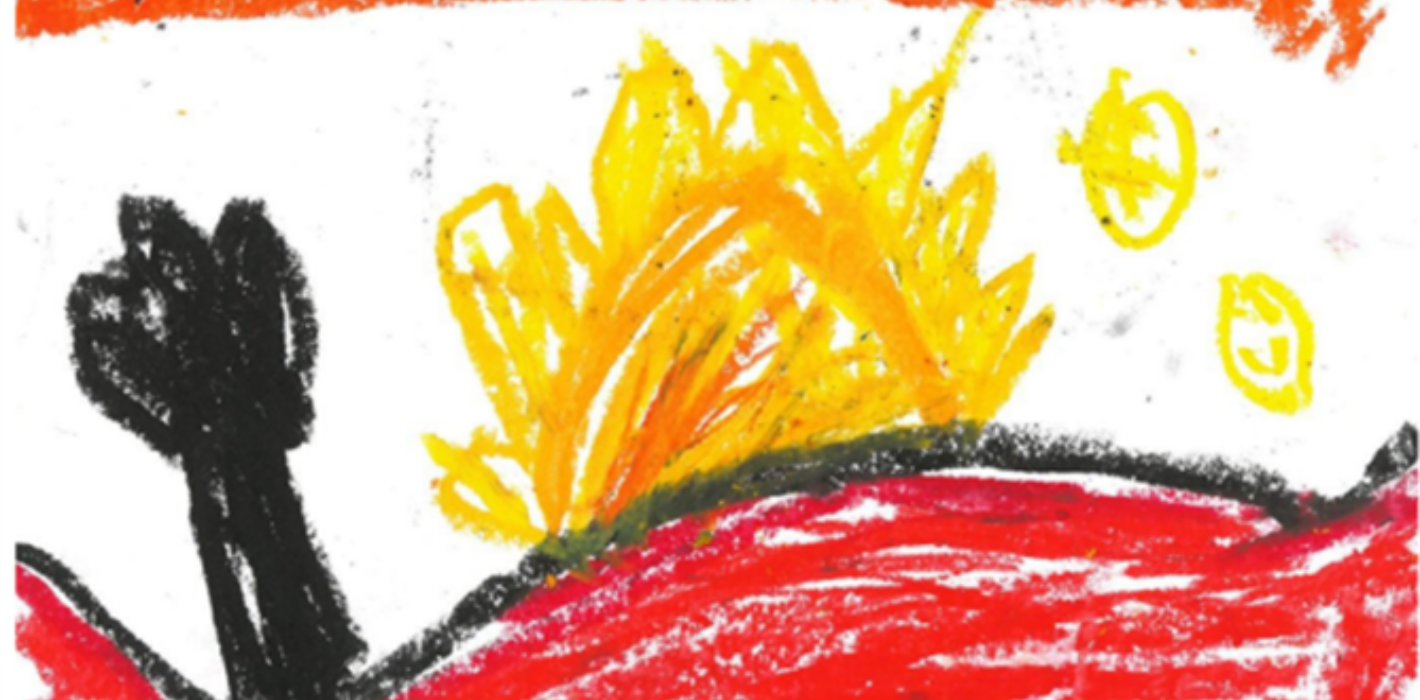
“This is when we were taught how to say sun in Noongar…This is a smiley face because it made me feel happy.” – Jarrah in his draw and tell interview.
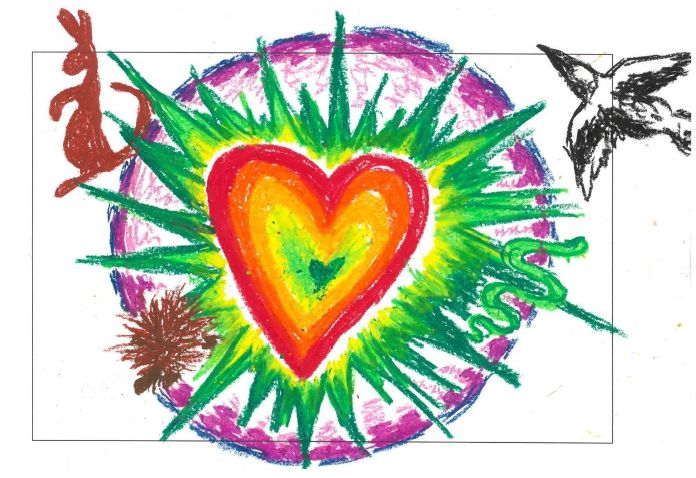
Noongar Culture, Arts Learning and Wellbeing Literacy in Early Childhood Education draws on rich qualitative data, including the voices and drawings of Indigenous and non‑Indigenous children and teaching artists from Perth primary schools on Whadjuk Noongar Boodjar.
The findings show how exploring Noongar culture and the arts creates powerful pathways for children’s wellbeing. Through drawings, stories and sensory, place‑based learning, children shared how they understand emotions, feel belonging and connect to Country, offering deep insight into how wellbeing literacy grows when culture and creativity sit at the centre of early learning.
Researchers found that Noongar cultural arts programs had a profound impact on children’s wellbeing and learning, with young learners expressing their understanding of identity, belonging and emotion most clearly through drawing, dance, song and spoken word. They observed that when children engaged with Noongar language and cultural practices, they demonstrated remarkable emotional depth, creativity and connection to Country. The findings reinforce that culture is not an add‑on in education but a central pathway to children’s wellbeing and flourishing.
“One of the most powerful parts of this research was seeing how naturally children expressed their feelings through art and storytelling.” – VC Professoriate Research Fellow at ECU’s School of Education, Professor Narelle Lemon.
“Rather than relying on surveys or formal interviews, we invited children and teaching artists to draw how Noongar culture and arts supported their wellbeing and then share the stories behind their drawings. For young children, this opened up deeper and more emotional responses,” said Professor Lemon. “It also reflected Indigenous traditions where knowledge, identity and feeling are shared through creativity, story and connection to Country.”
Culture as a pathway to wellbeing
Following our Deadly Arts Early Years program, the study explores how Noongar cultural arts shape children’s wellbeing, identity and learning. Through embodied, sensory and culturally grounded arts experiences, children demonstrated sophisticated wellbeing literacy — the ability to name emotions, express belonging, describe cultural connections and articulate what it means to live well.
As the report defines it, wellbeing literacy is the capability to “communicate intentionally for the wellbeing of oneself and others.” Children’s drawings — a central part of the methodology — vividly show how this capability grows through culture and the arts.
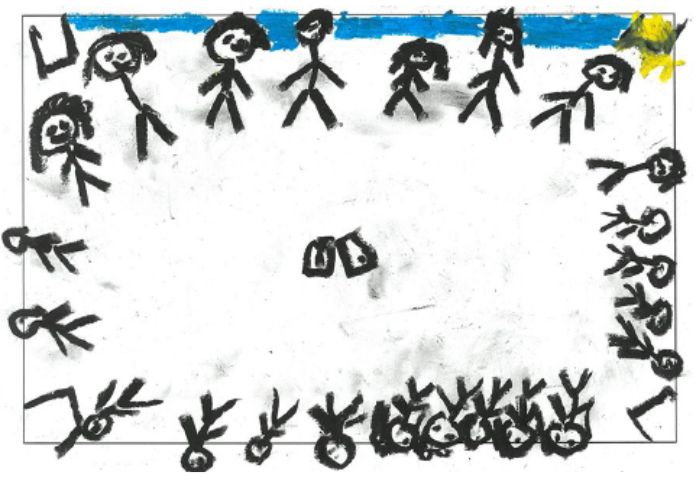
“When you lead with confidence and courage, you also give kids permission to be the same and have no shame. And then they can shine in that area.” – Jodie, Indigenous teaching artist.
Storytelling as responsibility and relationship
Indigenous teaching artists described storytelling as a cultural obligation and a way of carrying knowledge across generations. As the report states, “storytelling was understood… as a profound cultural responsibility.”
Children began to see themselves as storytellers too. Taking Noongar words, dances and stories home to their families, and creating visual narratives that reflected their own identities and connections.
The report identifies a strong need for schools to meaningfully embed Indigenous cultural knowledge, calling for Indigenous teaching artists to be recognised and funded as ongoing cultural knowledge holders rather than guest performers.
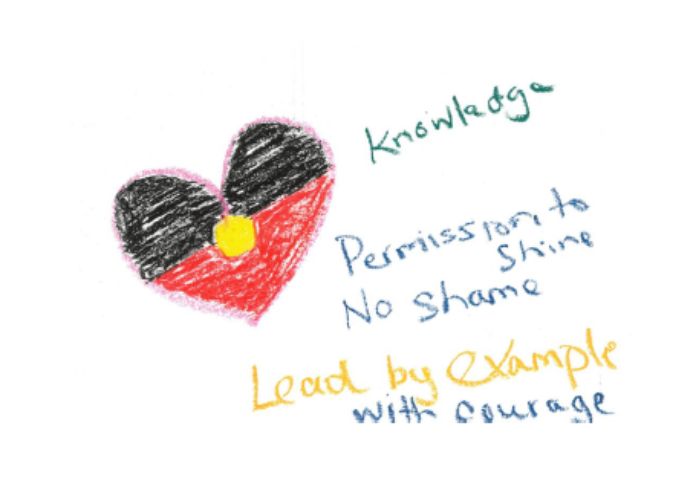
“It starts with the next generation, learning from a young age.” – Kylie, Indigenous teaching artist
Belonging, healing and connection to Country
Children’s drawings and interviews revealed relationships to Country, seasons, animals and sky — from kworlak (bull shark) dances to depictions of bip‑mart‑mokiny (the Milky Way). Across the program, they showed stronger cultural pride, emotional confidence and a deepened sense of belonging.
For Indigenous teaching artists, the program also carried healing significance, offering space to reclaim and revitalise cultural practices.
Why this research matters
The findings make a compelling case: First Nations cultural arts are not supplementary to children’s wellbeing — they are foundational. They offer relational, ecological and cultural pathways that generic wellbeing programs cannot replicate.
The report calls for sustained investment in Indigenous‑led arts programs, the embedding of teaching artists in schools, and multimodal approaches to assessing children’s learning and wellbeing.
For The Song Room, this research affirms what communities have long known: when children learn through culture, story and the arts, they flourish; in identity, in confidence, in connection and in joy.
Read the full report to access case studies and children’s artwork, as well as recommendations and implications for policy, learning design, teaching practice and research.
For further information or to discuss getting a Song Room Program at your school contact: enquiries@songroom.org.au or go to Contact Us.
Related Content
-
29 September 2026
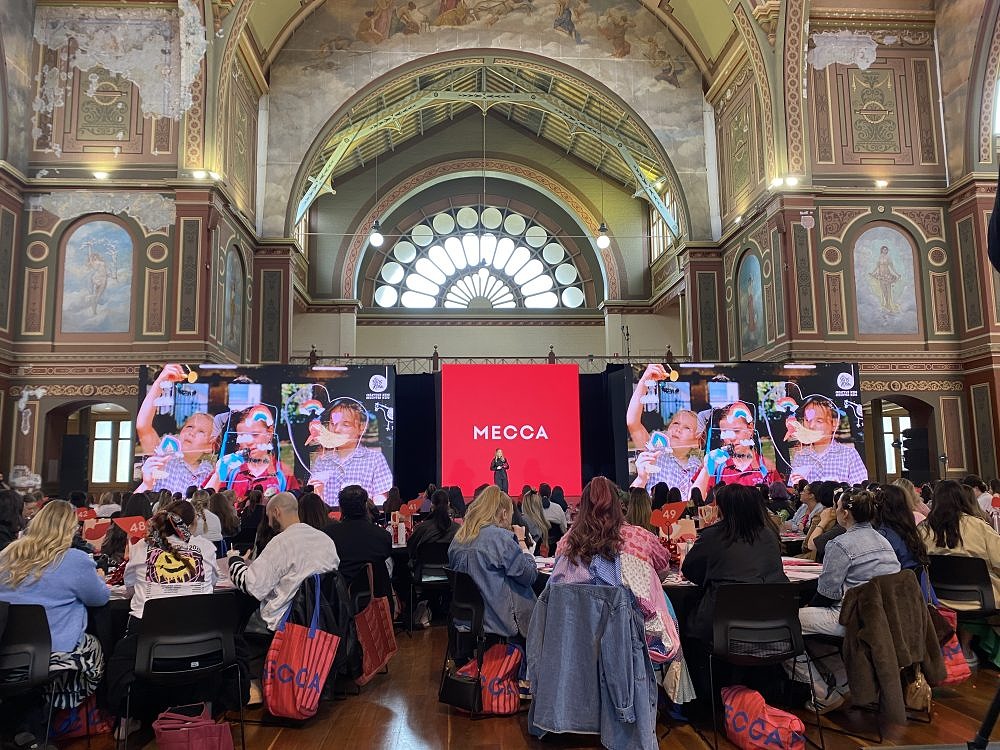
The Song Room x MECCA M-POWER Partnership Launch
-
9 July 2026
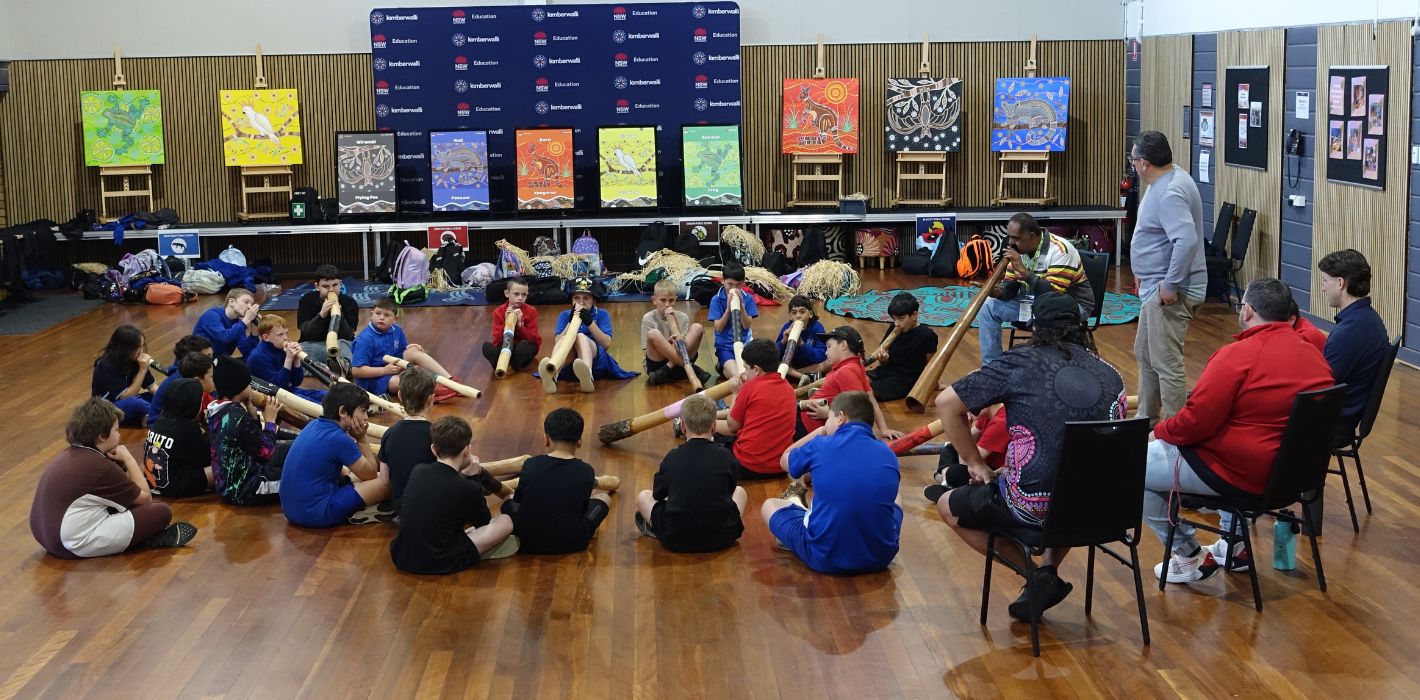
Guided By Elders – Deadly Culture Day