Holding Space for Place: Insights from the Towards Creative Schools Conference 2026
Holding Space for Place: Insights from the Towards Creative Schools Conference 2026
When the arts are used to bridge the gap between curriculum and Country, the impact on students and educators is profound. At the Towards Creative Schools conference (CREATE 2026), The Song Room’s Director of Arts Learning, Amelia Christo, showcased the power of First Nations-led arts education. Sharing insights from The Song Room’s Deadly Arts program on Bunurong Country, she demonstrated how place-based learning creates transformative outcomes for school communities.
Towards Creative Schools conference (CREATE 2026)
Hosted by Sydney University, CREATE 2026 is an annual conference for educators and leaders in creative educational practice. The conference brings together leading educators, researchers, and curriculum and pedagogy experts to explore how creativity can transform schools.
With more than 26 years of experience working to close the educational equity gap through high-quality arts learning, The Song Room brings an essential perspective to a forum like CREATE. For The Song Room, participating is an opportunity to advocate for the arts not just as a subject, but as a fundamental tool for cultural learning.
Amelia, provided insights from The Song Room’s Deadly Arts programme —a programme shaped by deep listening, cultural leadership, and the transformative impact of First Nations arts education.
Amelia’s topic, “Holding Space for Place: Observing First Nations-Led Arts Education on Bunurong Country,” was particularly relevant for this year’s conference. As educators across Australia look for meaningful ways to integrate First Nations perspectives and improve student engagement, the Deadly Arts programme offers a unique model. It demonstrates how culturally safe, place-based pedagogy is shifting the landscape of Australian classrooms from the ground up.
By observing and supporting First Nations‑led arts education in practice, Amelia shared learnings about cultural safety, co‑design, and place‑based pedagogy, and outlined clear, ethical pathways for schools to connect with local First Nations communities and strengthen belonging through the arts.
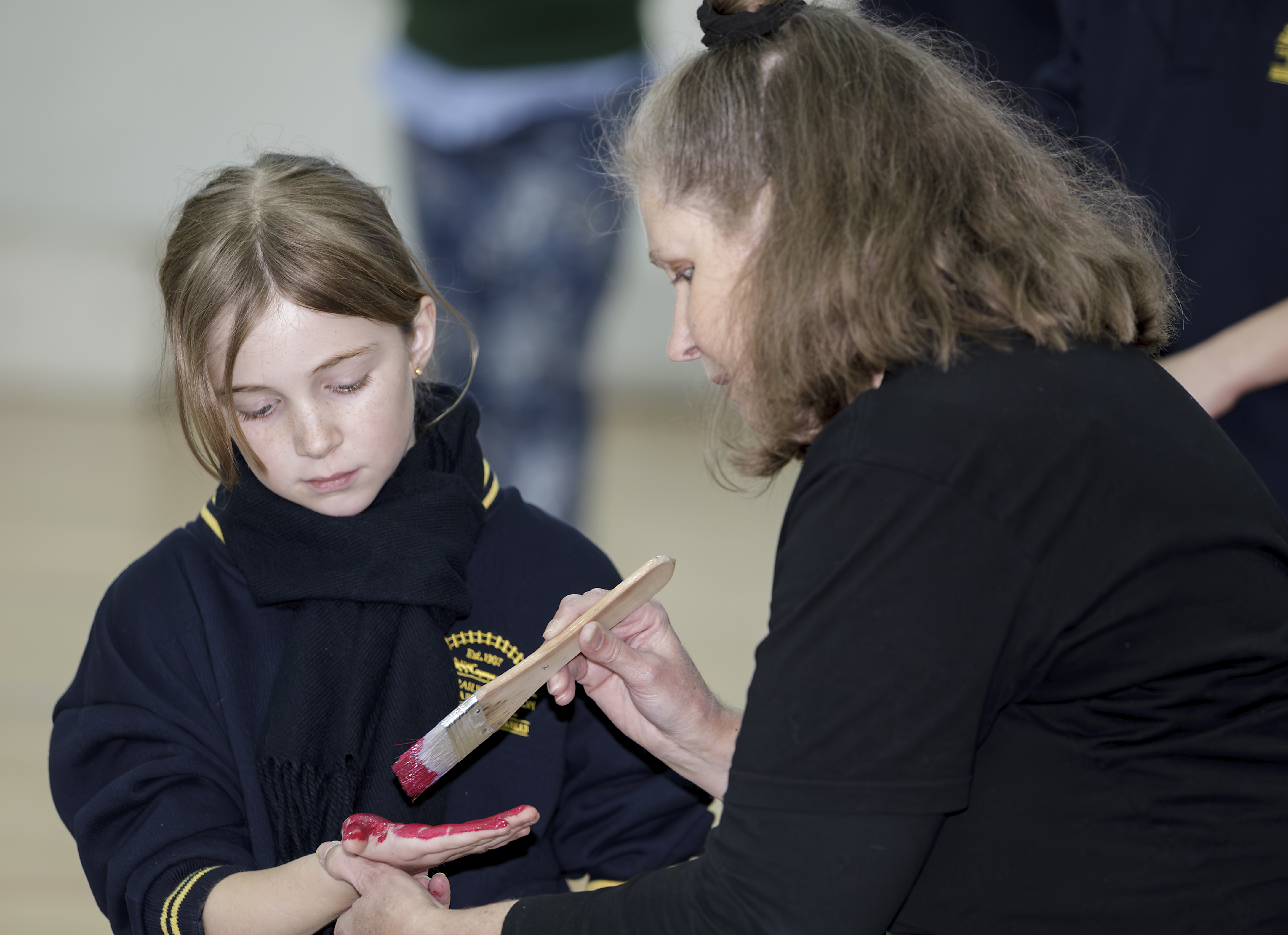
The Heart of the Work: Deadly Arts and Bunurong Country
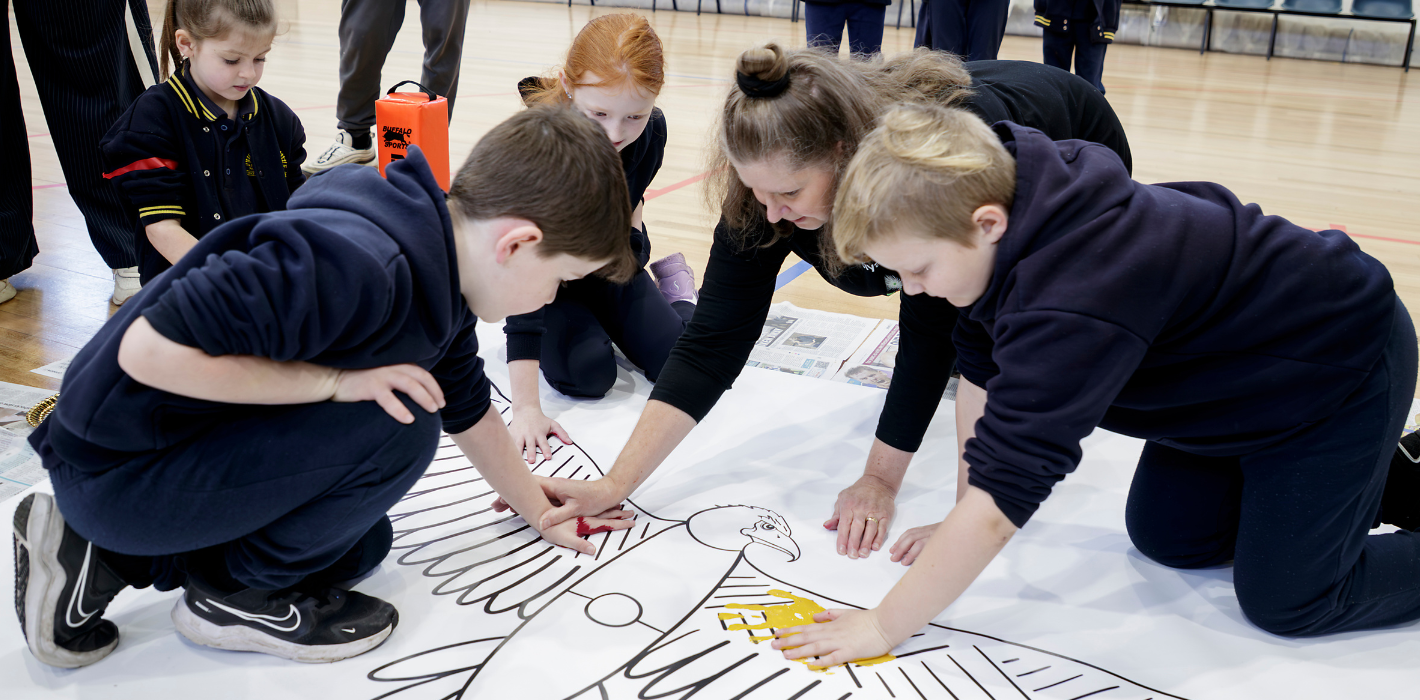
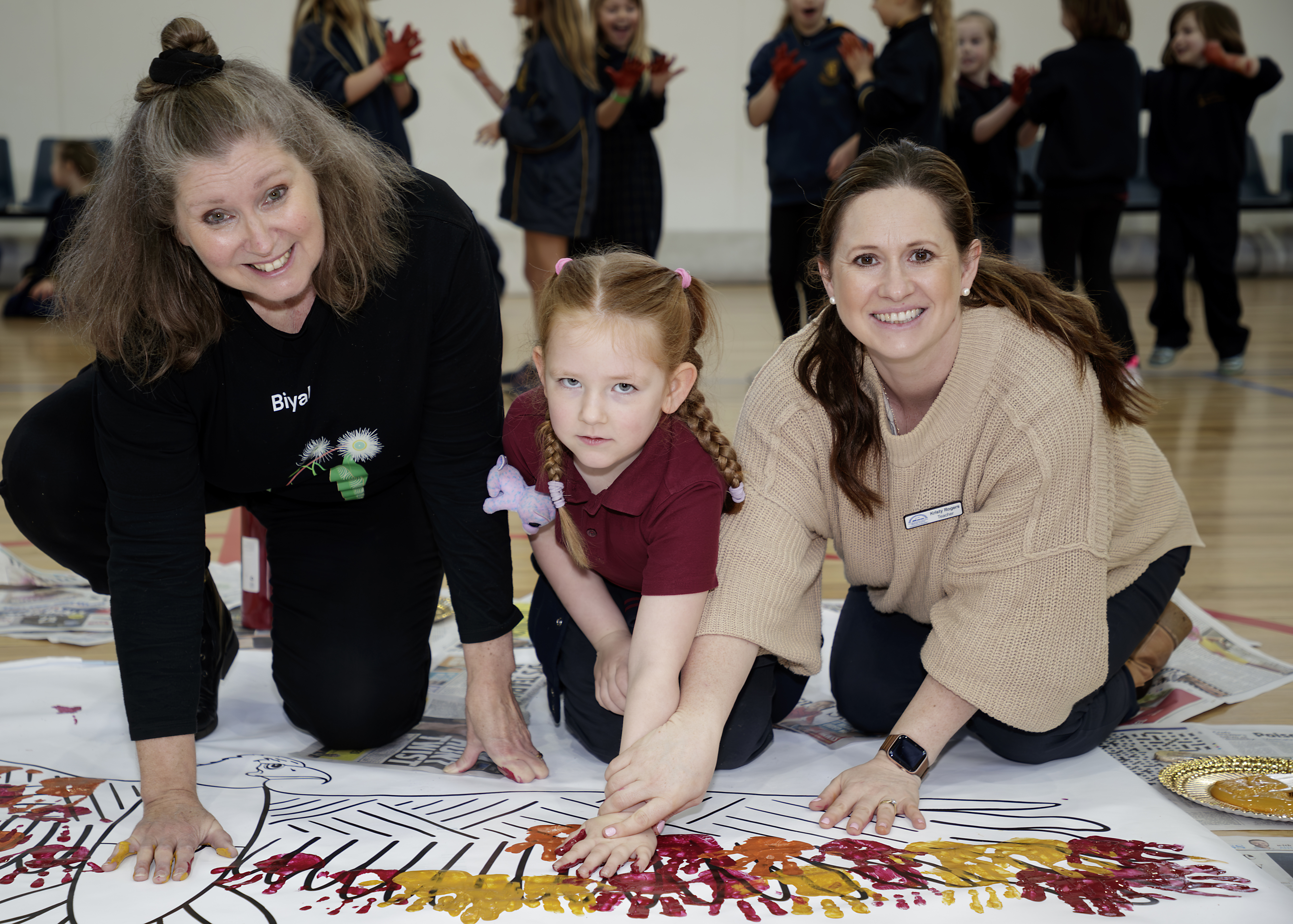
The Deadly Arts programme, delivered on Bunurong Country in the Mornington Peninsula, provided Koorie and non‑Koorie students with place‑based, curriculum‑enriching learning that embedded the Aboriginal and Torres Strait Islander Histories and Cultures Cross‑Curriculum Priority. Through this work, students developed intercultural capability by learning to recognise, respect, and reflect on diverse cultural perspectives, knowledge systems, and connections to place.
The programme delivered an understanding of Kulin culture and Koorie’s connection to country through arts learning. An essential part of the programme was supporting teachers with bespoke professional learning to empower them with knowledge, skills and permission to incorporate Cultural Learning into their classrooms.
Led by Aunty Sammy Trist, a proud Taungurung woman and First Nations Arts Educator, the programme reflects what happens when First Nations leadership guides and shapes arts education.
This approach prioritises:
- Cultural Safety: Creating environments where First Nations students see themselves reflected and respected.
- Co-design: Moving away from “off-the-shelf” lessons toward curriculum built in partnership with Elders and Traditional Owners.
- Place-Responsive Learning: Understanding that the specific textures, sounds, and stories of the land we stand on are our greatest teachers.
“This programme sets a powerful precedent – it packs a punch of local culture, not tokenistic gestures. Programmes like this pave the way for true understanding, respect, and reconciliation.”
– Participating Assistant Principal
The programme resulted in strong student engagement, improved wellbeing and oral language, increased teacher confidence to embed First Nations perspectives, and strengthened school–community connections.
Why “Place” Matters
By grounding learning in place, schools support truth‑telling, deepen understanding of shared histories, and create conditions for healing—strengthening connection, empathy, and collective responsibility within school communities.
A truth gathered from educators working with First Nations leaders on the ground: school culture shifts when relationships lead the work.
When we move beyond a standard curriculum and focus on the connection between people and the land, teacher confidence grows through supported mentoring and professional learning.
To bring this concept to life for the conference, participants were invited to engage in a “Starting with Place” activity. They were asked to reflect on where they were in this moment by simply taking a moment to identify natural and human-made textures around them. It was a powerful reminder that even in a modern building, we are always on Country, and there is always a story to be told through the arts.
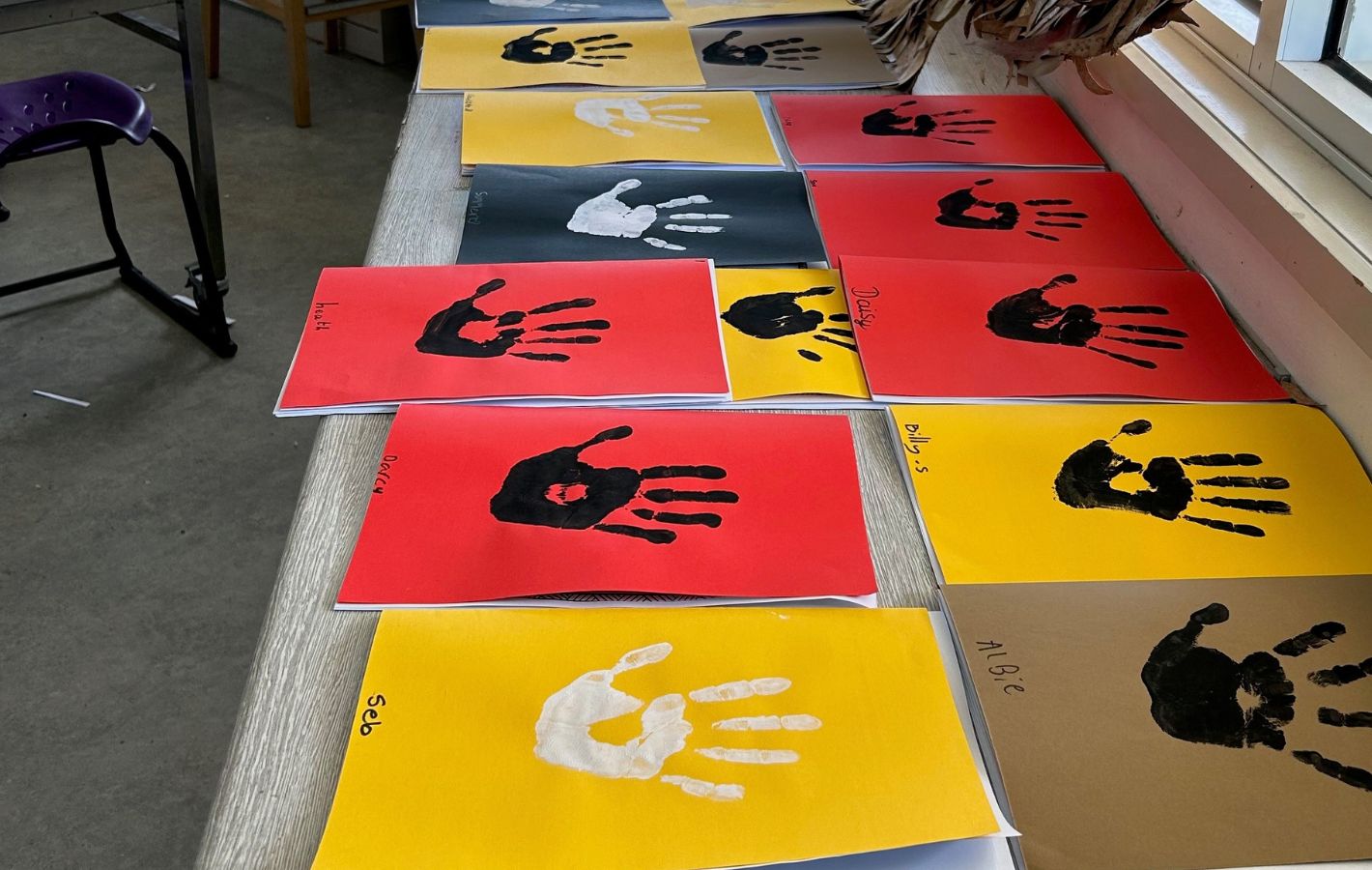
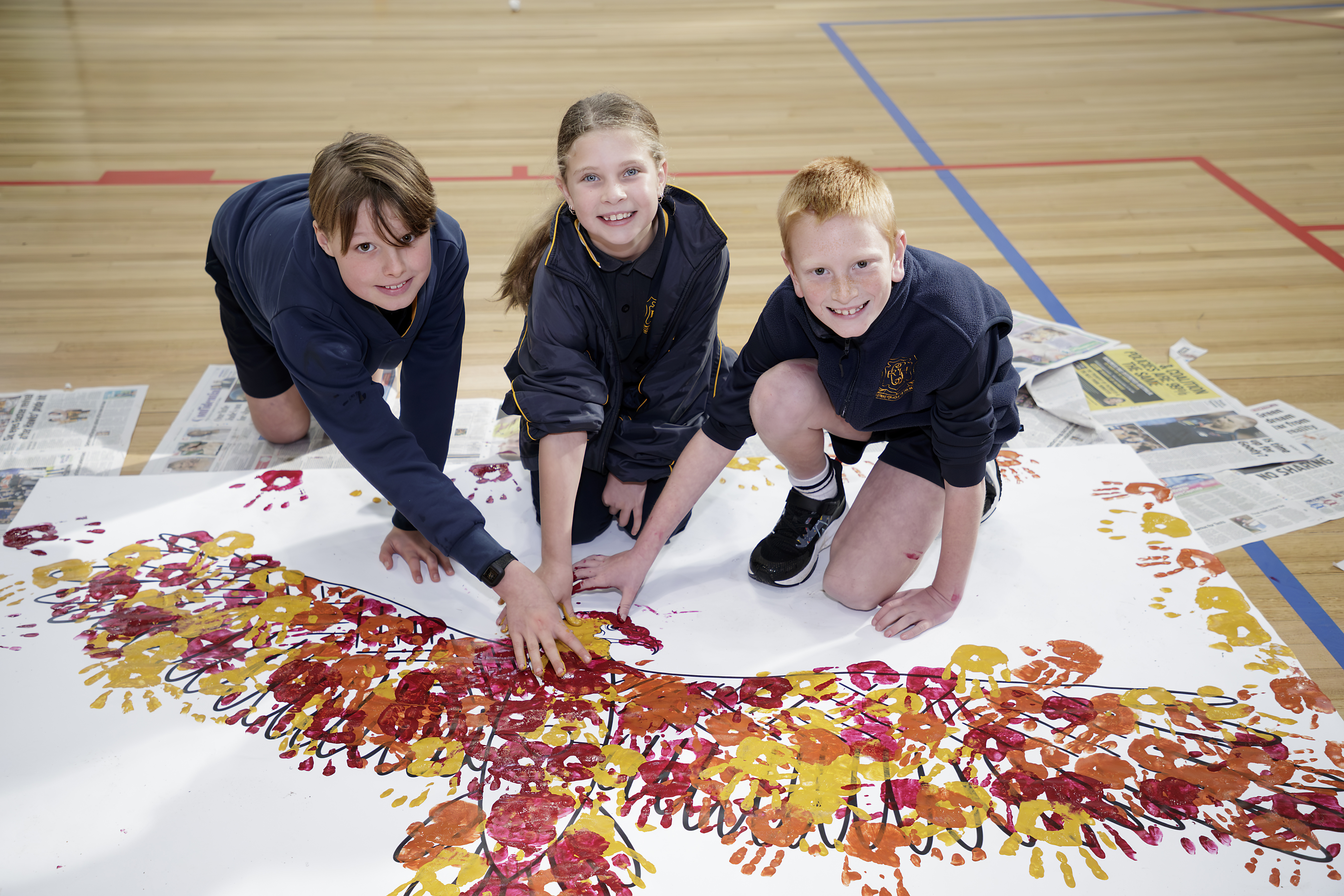
“What a transformational experience we’ve had, thanks to the incredible work of Kulin Artist Aunty Sammy Trist through the support of The Song Room and the Department of Education… Aunty Sammy has brought more than just her immense cultural knowledge – she has brought heart, wisdom, and a deeply person connection that has changed our school community for the better.
The cultural richness Aunty Sammy brought to our community this term has been, without question, the best external programme we have ever seen/experienced in a school.”
– Assistant Principal Ross Wettenhall, Crib Point Primary School
Key Takeaways for Educators
For those looking to deepen their own practice, The Song Room highlighted several essential resources for First Nations-collaborative professional learning:
- Narragunnawali: For RAP support and staff PL.
- Koorie Heritage Trust: For cultural competency and guided walks.
- ARTS:LIVE: Our own digital hub, providing creative resources to help teachers bring the arts to life.
As we reflect on the CREATE 2026 conference, we are reminded why this matters and why The Song Room places First Nations voices at the centre of our programs. Through culturally led arts practice we work to close the educational equity gap, not by teaching subjects alone but by nurturing belonging, identity and cultural connection for every student.
Learn More
Learn more about The Song Room’s First Nations programmes, here. Enquire about getting The Song Room in your school today at songroom.org.au/contact-us